



Serving multiple generations requires more than investment management.
Financial advisors must design client experiences that engage the entire family and drive long-term retention.
For many advisors, the definition of a “client” is changing. It’s no longer just an individual or a couple; it’s an entire family ecosystem spanning generations, each with different needs, expectations and priorities. And yet, most service models haven’t caught up.
Firms are still largely designed around portfolios, performance and periodic reviews. But for many high-net-worth clients, especially older ones, the focus has shifted. Conversations increasingly center on family, legacy and personal connections rather than investment details.
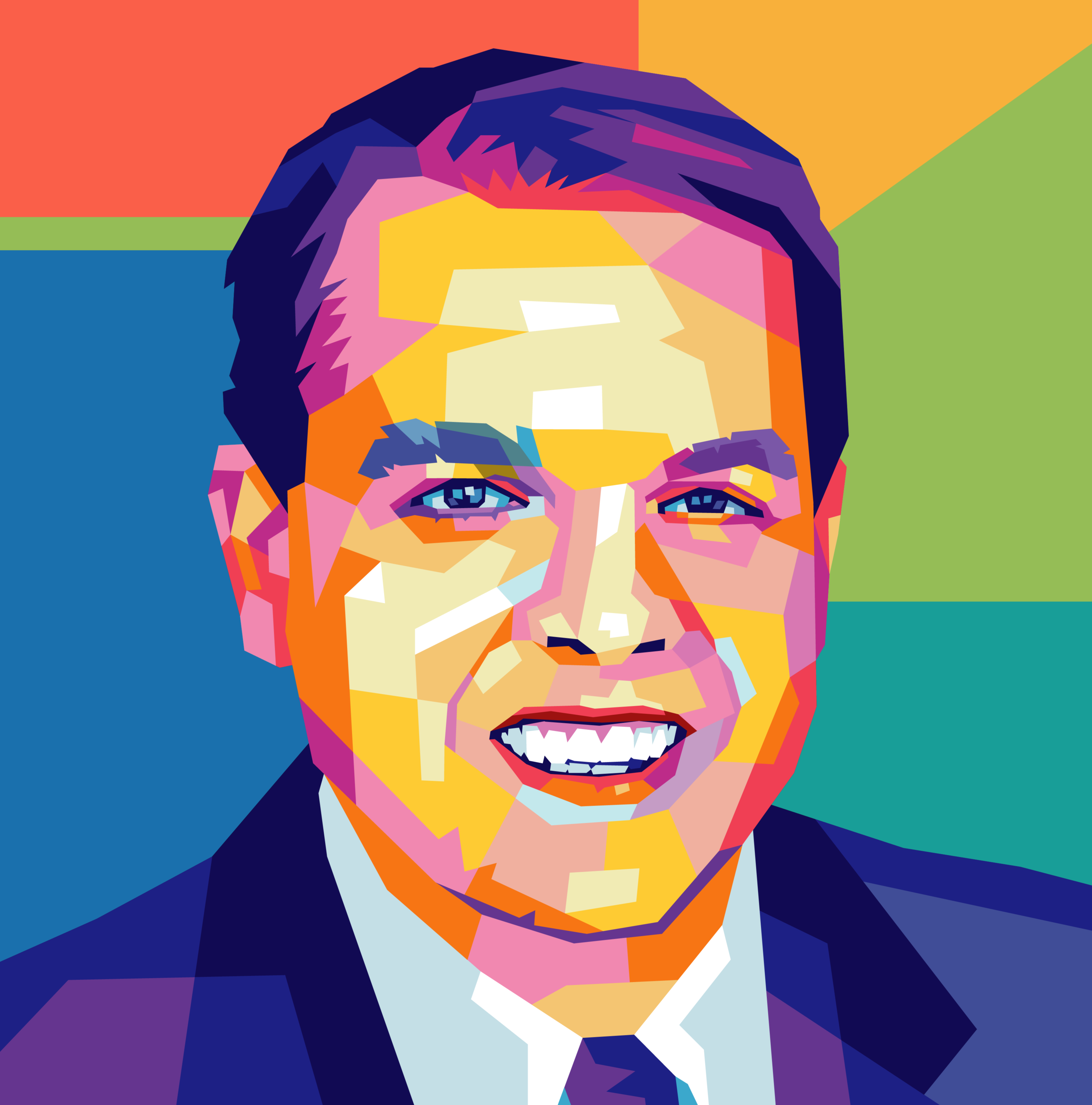
 “It’s one thing to make a gift to a family member or leave assets after passing; it’s another thing entirely to connect them with a trusted partner who can help be a resource and guide the recipient of those assets,” says Matthew Hartnett, partner and senior wealth advisor at OpenArc Corporate Advisory in Atlanta, Georgia.
The shift from portfolio-centric to relationship-centric
Traditionally, wealth management has centered on financial outcomes:
- Investment performance
- Asset allocation
- Risk management
These still matter, but they’re no longer enough to sustain deep, lasting relationships across generations.
Today’s clients are thinking about:
- Legacy and values
- Family dynamics
- Education and preparedness of heirs
- The emotional side of wealth
 In other words, the conversation has expanded, but many service models haven’t.
“For the families we serve, the question isn’t whether wealth will transfer. It’s whether the next generation will be ready to receive it with purpose,” says James Malatos, founder of Harbor View Private Wealth in Alpharetta, Georgia. “Our job is to start that conversation twenty years before the inheritance arrives, not twenty days after.”
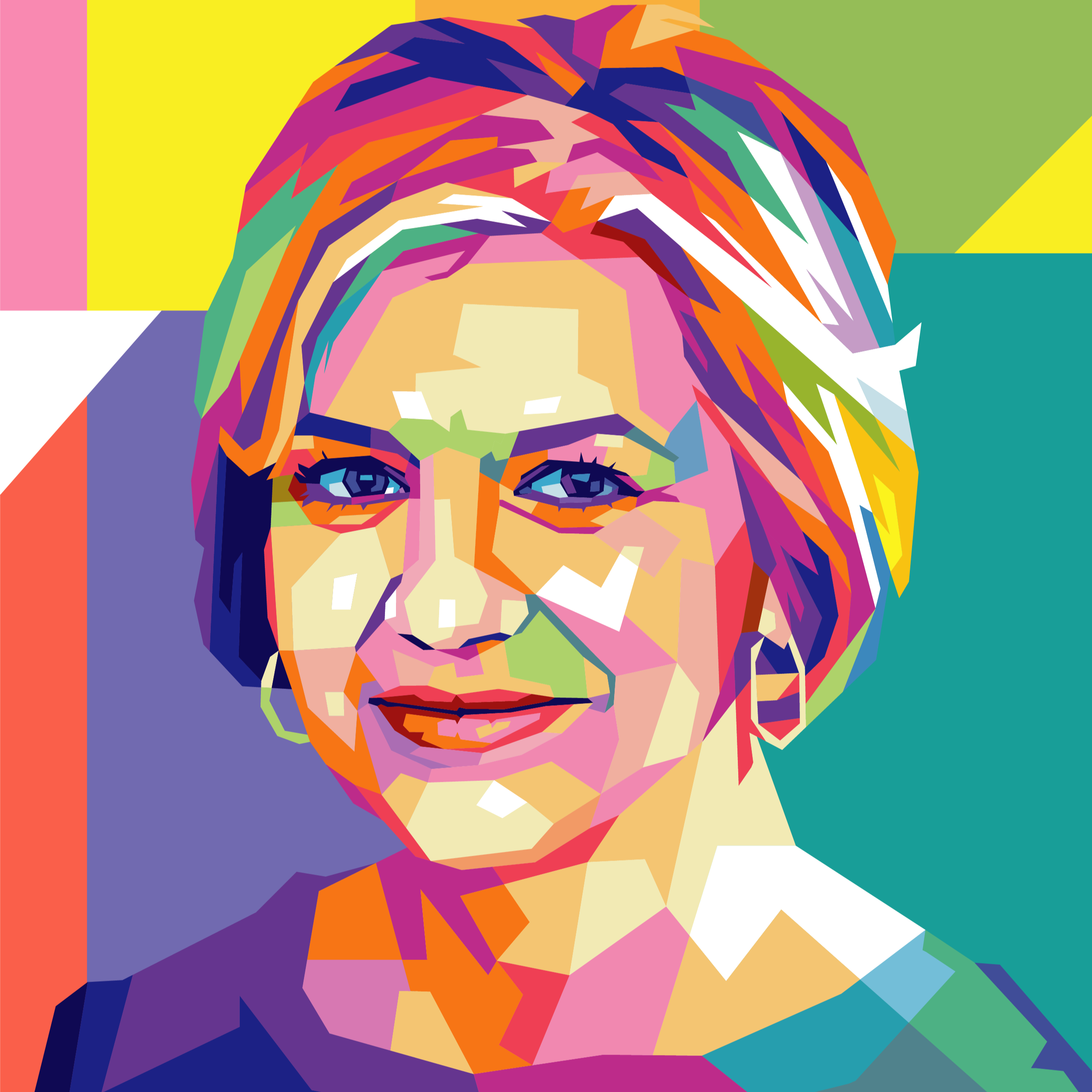
Advisors can do much better planning when they know what’s going on across generations, according to Lisa Kirchenbauer, founding partner and senior advisor at Omega Wealth Management in Arlington, Virginia.
That conversation requires more than the typical two-party exchange between a financial advisor and his or her client, because multiple individuals are involved and it can be very emotional.
“There are very few things in life that are as sensitive as one’s finances,” says Hartnett. “And that can be emotional and challenging at times because what’s fair may not be equal from, say, one child or grandchild to the next. Having us in a conversation like that provides a third- party buffer for those dialogues.”
Designing for one client is straightforward. Designing for a family is not. Each generation brings its own expectations:
- Older clients (often wealth creators): Value trust, relationships and legacy. Conversations may shift away from performance and toward family, purpose and continuity.
- Next-generation clients: Expect digital access, transparency and more frequent communication. They want to understand, not just inherit, wealth.
- Emerging generations (Gen Z and younger): Are shaped by technology, values-driven decision-making and a desire for personalization.
Most firms deliver a single service model to all of them. The challenge is how to change that model to appeal to different generations. It’s “thinking across the generations as opposed to treating them as silos,” says Kirchenbauer.
Where traditional service models break down
When firms apply a one-size-fits-all approach, gaps begin to emerge:
- Heirs feel disconnected or unengaged
- Communication doesn’t match expectations across age groups
- Advisors risk losing assets during generational transfer
- Opportunities for deeper relationships go unrealized
The irony is that firms often excel at managing wealth, but struggle to manage the relationships that sustain it.
They “need to be sensitive to and trained in family dynamics and the human side of transition and money,” says Kirchenbauer.
What multi-generational service design looks like
Firms that succeed in this area take a more intentional, structured approach to serving the entire family, not just the primary client.
Here’s how they do it:
1. Expanding the definition of “client”
They treat the family, not just the asset holder, as the client.
That means proactively engaging spouses, children and even grandchildren early, not waiting for a wealth transfer event.
“Wealth management is not just about asset management; it’s about tying in all the other pieces for clients – tax efficiency, estate planning, philanthropy – and, most importantly, their family,” says Hartnett…It feels like this is an industry shift.”
2. Segmenting by needs, not just assets
Traditional A/B/C segmentation falls short in a multi-generational context. Instead, leading firms segment based on:
- Life stage
- Financial literacy
- Role within the family
 “We segment all of our clients by their needs so we can provide the best, most optimal service for them,” says Matthew Liebman, founder, partner and CEO of Amplius Wealth Advisors in Blue Bell, Pennsylvania.
“A young family just starting to save and participate in a retirement plan, has a mortgage on a home and maybe has little kids, is starting to think about education, whereas their parents or grandparents may not have to worry about any of those things, though sometimes they do get involved, helping out. They may have an estate tax issue that the younger person does not have.”
 But “the goals of one generation get translated directly to the next generation,” says Edward Karan, founder of Aspire Wealth Advisory Group in New York City. Advising the older generation on how to minimize taxes for their estate, for example, can directly help the next generation avoid a tax bill, says Karan. “You're understanding each party's desire and goals and how they interrelate.”
3. Creating multiple communication tracks
A single annual review doesn’t meet everyone’s needs. Firms are building layered communication strategies:
- High-level strategy conversations for senior clients
- Educational sessions for next-gen family members
- Digital updates and on-demand access for younger clients
Each audience receives value in a way that resonates with them.
“Older generations are fairly used to just picking up the phone and calling us and/or vice versa, but if the younger generation receives a phone call out of the blue, they either won’t answer or they think something is wrong,” says Liebman. ”Why don't you just shoot me a text to set up a meeting?”
Liebman adds that, post-COVID, many people are now used to Zoom and various electronic messages rather than the old-fashioned phone call.
4. Facilitating Family Conversations
Advisors play a critical role as facilitators, not just financial experts. This can include:
- Family meetings
- Legacy planning discussions
- Education around wealth stewardship
These moments build trust across generations and position the advisor at the center of the family relationship.
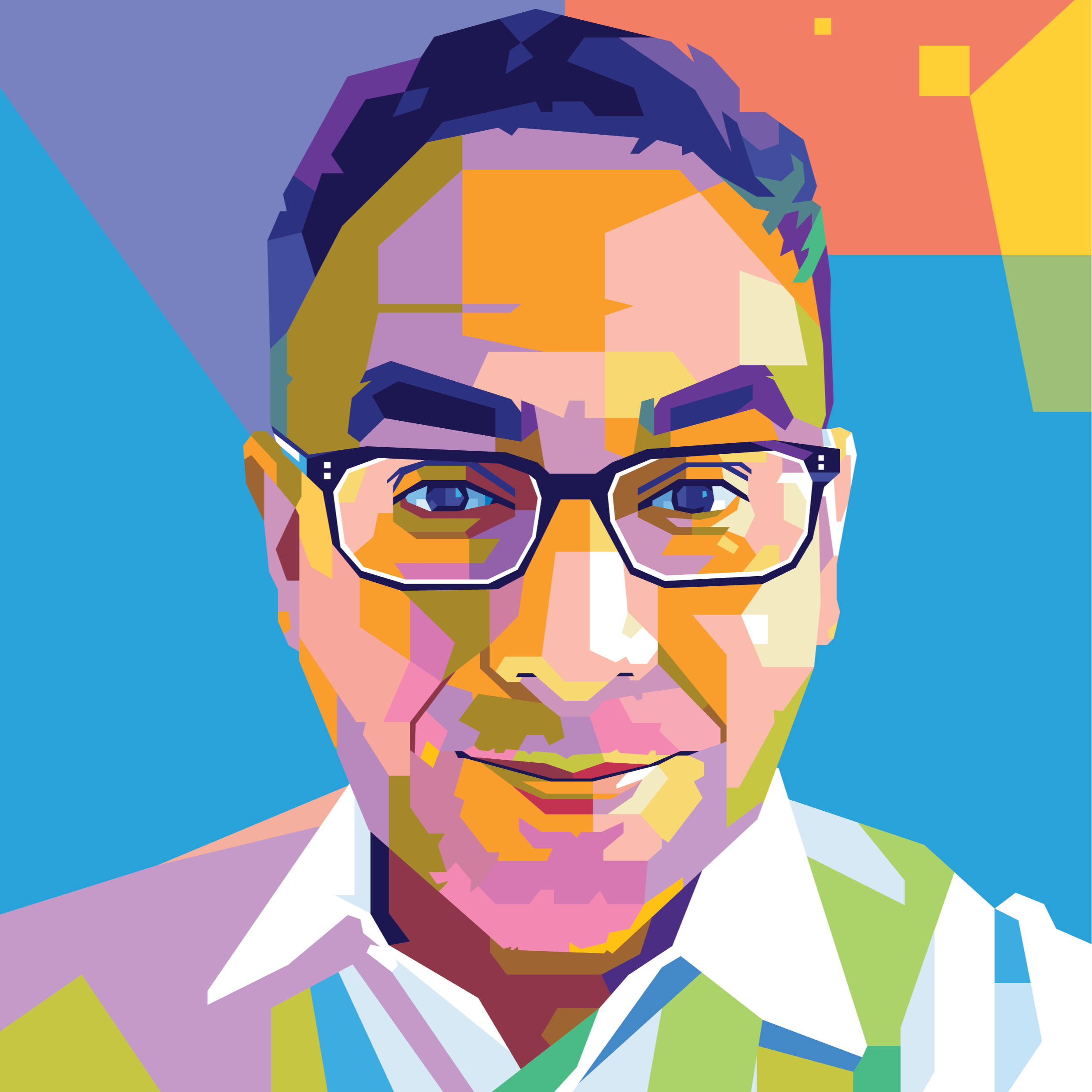
.jpg?width=148&height=193&name=Weiskind%202%20TD%20PHOTO-05350%20(1).jpg) Family meetings can be “super helpful because they let different generations discuss their wealth and management of that wealth from a holistic perspective instead of each family just thinking in isolation,” says Mark Weiskind, president and partner at Fairway Wealth Management in Independence, Ohio. “But not everyone wants to do that.”
Family meetings can be “super helpful because they let different generations discuss their wealth and management of that wealth from a holistic perspective instead of each family just thinking in isolation,” says Mark Weiskind, president and partner at Fairway Wealth Management in Independence, Ohio. “But not everyone wants to do that.”
Such meetings are especially important, says Weiskind, when trusts and family partnerships are involved because of their complications. They can help “next generations understand what these vehicles are, why they were set up and how they work,” explains Weiskind.
Perhaps the most important aspect of these meetings is the product they produce: the family values statement.
“A balance sheet tells you what a family has. A values meeting tells you what a family is for,” says Malatos. “The estate plan only works when both are written down.”
Kirchenbauer likens the values statement to an “instruction manual for the wealth being passed on. “
“Hard work is often cited as a value that's a cornerstone to wealth creation, but how do you instill that concept into future generations that may have had a lot of opportunities because of the family wealth and may never know what the journey looked like for that patriarch or matriarch?” asks Hartnett. “It's the values process that can bridge the gap between legal documents like wills and trusts, and all that great AI-backed technology, and the successful passing of wealth from generation to generation.”
5. Designing for Continuity
Ultimately, multi-generational service design is about retention. Firms that build relationships with the next generation before wealth transfers occur are far more likely to retain those assets, and deepen those relationships over time.
“Serving families by definition is highly scalable if you can serve multiple generations,” says Karan. “People are living longer, so it's not uncommon that a grandparent, a child and the next generation are all being served by one advisor.”
Amplius Wealth takes a slightly different approach to multi-generational services, “making sure each individual in a family has an advisor that they can connect to,” which often, but not always, means matching advisors of the same generation to a particular family member, says Liebman.
“We recognize that while people are related, they’re not always in lockstep with one another across generations, continuity is best achieved when you have strong individual relationships across multiple generations.”
Failing to serve multiple generations of clients can have serious consequences.
“If you're not working with that next generation, then when parents die, the money disappears and the revenue disappears,” says Weiskind. “We want to introduce our next generation of advisors to our clients’ next generation. That’s important to us as a business because it also makes the relationship really sticky.”
The role of technology (and its limits)
Technology can support multi-generational engagement, but it can’t replace it.
Client portals, reporting tools and communication platforms make it easier to deliver information across generations. But the real differentiator is still human:
- Understanding family dynamics
- Asking better questions
- Creating meaningful, personal connections
In fact, the earlier insight holds: sometimes the most valuable conversation isn’t about markets or portfolios, it’s about family.
“Software can show three generations the same balance sheet,” says Malatos. “It can’t make them agree on what to do with it. That’s still our work, and there’s no app for it.”
But often “the kids want the same thing the parents want, which is to have a relationship with someone they trust, who they deem to be competent,” says Liebman. “That hasn't changed regardless of whether the person is 90 or 20.”
Designing for what matters most
The future of wealth management isn’t just about managing money, it’s about managing relationships across time. That requires a shift:
- From transactions → to connection
- From individuals → to families
- From performance → to purpose
Advisors who embrace this evolution will not only strengthen client relationships, they’ll build firms designed to last across generations. Because in the end, the question isn’t just how well you manage wealth.
It’s how well you understand the people behind it.
 “The most successful multi-generational service model combines planning expertise with patience and emotional awareness,” says Mitchell Kraus, principal at Capital Intelligence Associates in Santa Monica, California and the fourth generation of his family to work in financial services. It’s also important to know when other professionals should be involved, which may include estate planning attorneys, CPAs, mediators, trustees, family counselors or other specialists,” adds Kraus, whose firm is affiliated with LPL Financial. “A good advisor should recognize when the issue is not just financial, but relational.”